How to Command a Room: Lessons from Moderating High-Stakes Panels
July 28, 2026
"The moderator who asks the right questions changes the entire conversation. The moderator who does not can lose a room in under three minutes."
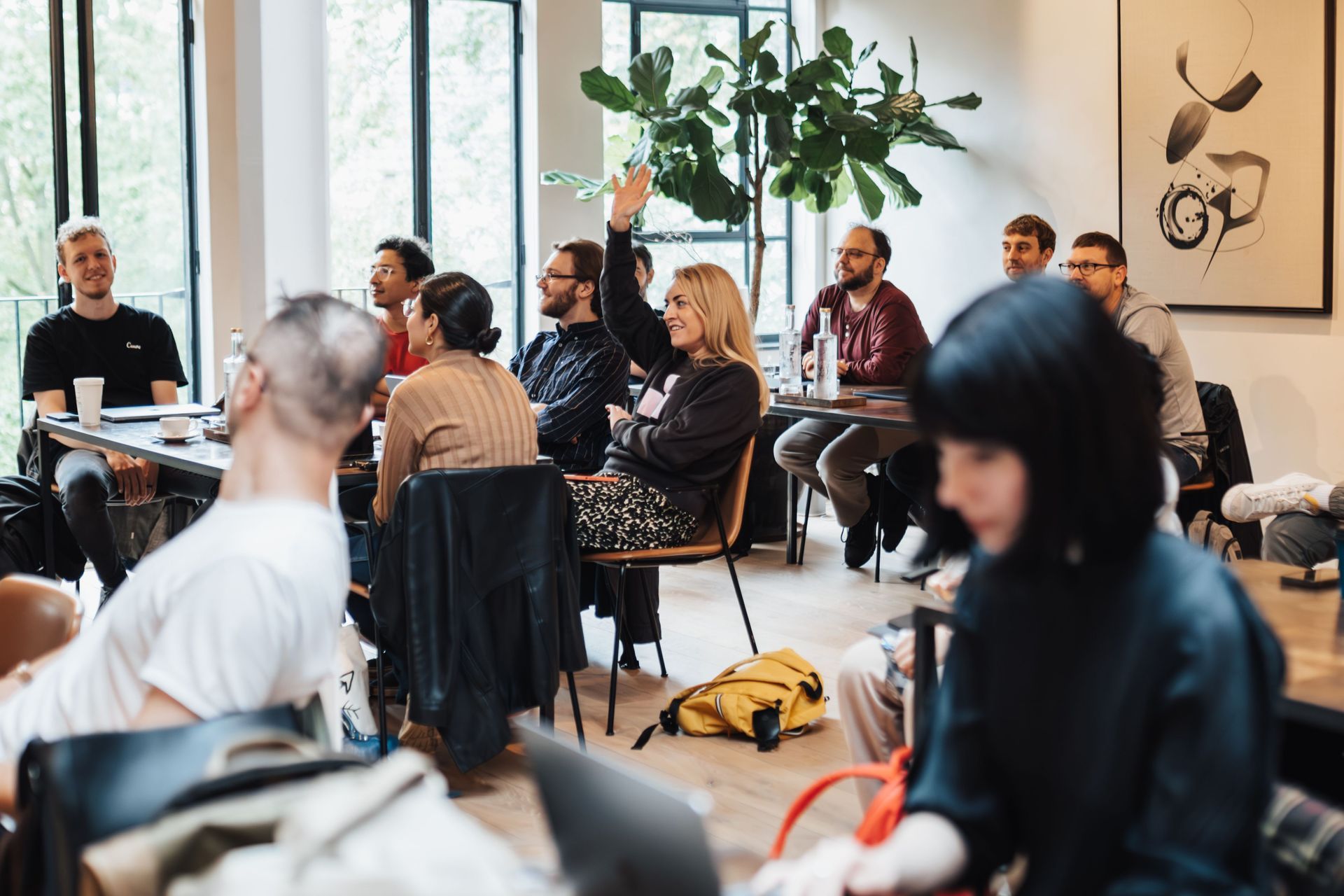
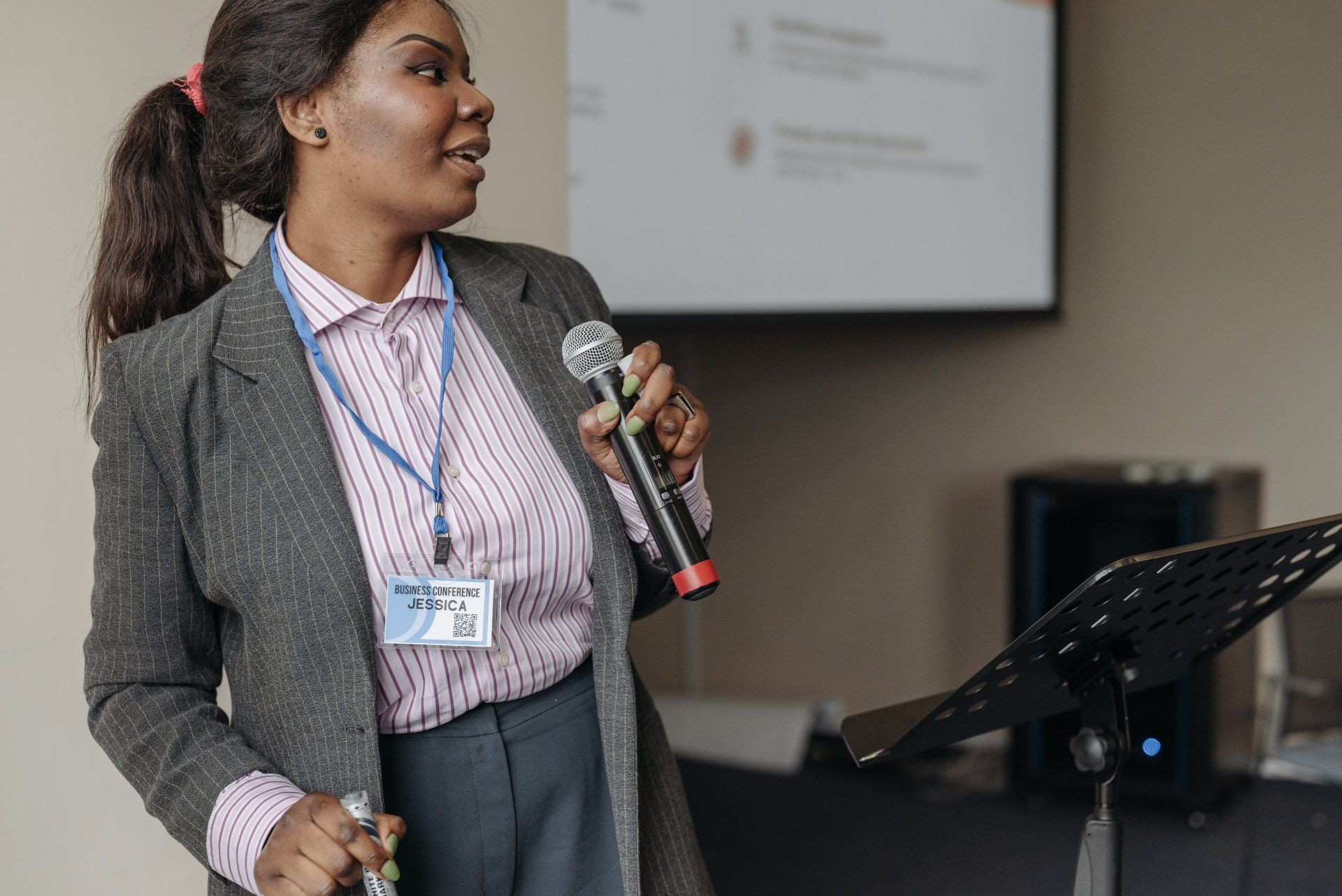
The first time I moderated a panel in front of a large audience, I thought the hardest part would be managing the nerves. I was wrong. The hardest part was managing the silence. A panelist gave a one-sentence answer to a question that deserved a full conversation, and every person in that room turned to me expectantly. In that half-second pause, I understood what moderation actually requires: the ability to hold a space confidently and redirect it with precision.
I have moderated panels at conferences, summits, corporate events, and community forums across multiple industries. Each experience has taught me something new, but the core principles that make the difference between a forgettable panel and a transformative conversation remain consistent. I want to share them with you today.
Preparation Is Your Superpower
I never walk into a moderation role with just the questions the organizer provides. Before every panel, I do a deep dive on every panelist. I read their most recent articles, watch their previous interviews, and identify the thread of their current thinking. I look for tensions in their perspectives, areas where they might disagree with each other, and angles that the audience is unlikely to hear anywhere else. The best panels feel like exclusive conversations, not rehearsed performances.
I also prepare what I call contingency questions, the questions I pull out when a topic goes flat, when a panelist gives a vague answer, or when the conversation drifts from what the audience actually came to learn. Having five to eight of these in my back pocket means I am never scrambling. I am always steering.
Reading the Room Is a Skill You Can Develop
- Watch the audience, not just the panelists. Leaning forward means engagement. Crossed arms and downward glances mean you have lost them and need to pivot.
- Listen for the answer within the answer. Panelists often say something extraordinary buried inside a longer response. Your job is to surface it: 'You just said something that I think deserves more airtime. Can you expand on that?'
- Do not be afraid of productive disagreement. Some of the most powerful panel moments I have facilitated came from introducing a respectful tension between two panelists with differing perspectives.
- Control the time without embarrassing anyone. Develop language that is graceful: 'I want to make sure we hear from everyone on this' is far more elegant than cutting someone off mid-sentence.
The Best Moderators Are Invisible Until They Are Not
Here is the paradox of great moderation: when I do my job well, the audience leaves talking about the panelists, not about me. My goal is to create the conditions for brilliance, not to perform it myself. But when the conversation needs rescuing, when a panelist is dominating, or when a question needs to be asked that no one else is brave enough to raise, I step forward with complete confidence. That balance is what separates a facilitator from a moderator.
Simply Success Spotlight: On Simply Success with Philomena, every interview is a masterclass in facilitated conversation. I apply the same principles I use on stage to every episode, creating space for guests to share insights that go beyond the surface. Listen and notice the craft behind the conversation.
Moderation is one of the most undervalued skills in professional life. Whether you are running a team meeting, leading a community discussion, or hosting a major conference, the ability to hold a room and guide a conversation toward meaning is a leadership superpower. And it is entirely learnable.
Your Next Step:
Are you planning a conference, summit, or corporate event and need a moderator who brings expertise, presence, and preparation? Let us talk about how I can elevate your next event.
Share This Blog